

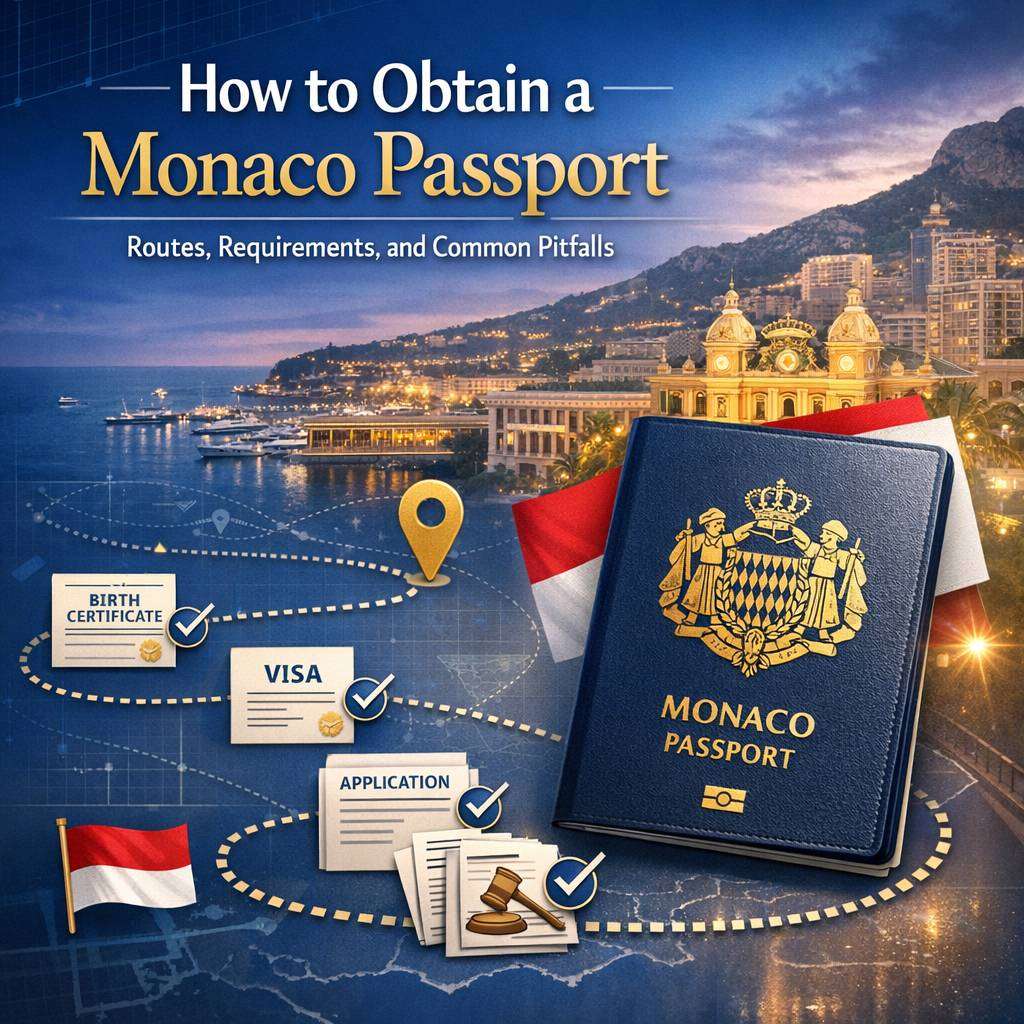
Monaco sits at the crossroads of prestige and practicality, a microstate renowned for its tax regime, safety, and high-end living. For many, the allure of becoming a citizen is tempered by the real question: how does one obtain a Monaco passport? While the path is not straightforward, a clear understanding of the routes, requirements, and typical pitfalls helps prospective applicants navigate the process with greater confidence. This guide presents an expert overview of the possibilities, the documents typically required, and the strategic considerations to avoid common missteps.
If you are considering a move, you may also be weighing related questions such as the visa to Monaco, Monaco entry requirements, and the broader framework of Monaco visa requirements. These elements are interlinked; successful navigation depends on a solid grasp of both immigration pathways and the practical steps involved in establishing lawful residence and demonstrating the ties that Monaco seeks from long-term residents.
Monaco operates a residency‑first model for many of its citizenship routes, emphasising integration, financial stability, and genuine ties to the principality. The most common routes relate to long-term residency programmes, often contingent on substantial financial commitments or employment possibilities, followed by a lengthy naturalisation process. Alternatively, in rare and exceptional circumstances, noble lineage or unique contributions to the state can influence consideration, though such paths are not typical for the average applicant.
Understanding the Monaco visa requirements is essential before pursuing citizenship. The journey typically begins with a residency visa or a long‑term permit, obtained through demonstrated means such as employment in a Monaco‑based company, significant business investment, or sustained accommodation with sufficient resources. The Monaco entry requirements emphasise legal residence, financial self‑sufficiency, and compliance with local laws. Prospective residents should anticipate formal declarations, background checks, and periodic renewals of status as they build a case for eventual naturalisation.
Important considerations include the duration of the residency period required before eligibility for naturalisation, the level of integration expected, and the willingness to establish enduring ties to the principality. Applicants should be prepared for comprehensive documentation, including proof of income or employment, accommodation, health coverage, and a clean legal record. Because Monaco does not operate a straightforward “citizenship by investment” model, most applicants should plan for a multi-year process that culminates only after meeting enduring residency criteria and demonstrating substantial commitment to life in Monaco.
While the term “monaco passport” is widely sought after, it is crucial to distinguish between residency and citizenship. A Monaco passport is not a guaranteed reward for financial means alone; it follows a rigorous assessment of residency duration, integration, and loyalty to the state. The process is meticulous, and timing can be unpredictable. Applicants should manage expectations and be prepared for fluctuations in processing timelines, changes in legislation, and evolving administrative requirements.
A practical starting point is to secure the appropriate visa pathway that aligns with long‑term residency goals. The Monaco visa requirements typically involve securing sponsorship or a verified source of income, confirming a residence, and meeting health and financial standards. Networking with legal professionals who specialise in Monaco immigration law can be invaluable, as they can outline the precise documentation needed, advise on the most feasible route given personal circumstances, and facilitate liaison with the Prince’s Government and related agencies.
One common pitfall is underestimating the importance of genuine ties to Monaco. The adjudicating authorities prioritise sustainable residence over temporary or speculative stays. Attempts to shoehorn a fast track or to misrepresent intentions are likely to be detected and could jeopardise future applications. It is essential to maintain transparent records of income, housing arrangements, and daily life in Monaco, along with ongoing compliance with tax, social, and legal obligations in the principality.
Another frequent misstep relates to timing and the sequence of steps. Some applicants focus on expeditious routes rather than building a robust narrative of long‑term residence. A disciplined plan that aligns employment, housing, and community involvement with a realistic timeline improves prospects. Additionally, changes in immigration policy or shifts in the economic climate can affect processing times. Staying informed through reliable sources and, where appropriate, professional guidance helps mitigate these risks.
Financial planning is a critical component of the journey. Prospective residents should clearly articulate how they will sustain themselves in Monaco, including healthcare provisions, and confirm access to funds that meet or exceed the standards set by the authorities. The relationship between residency status and tax obligations must be carefully managed, particularly given Monaco’s distinctive fiscal framework. Well‑documented financial arrangements demonstrate stability and credibility, which support the case for eventual naturalisation.
Documentation requested along the way tends to be thorough. Expect to provide identification documents, birth certificates, criminal records (where applicable), proof of residence, employment or business activity, bank statements, proof of health insurance, and letters of reference or support. Given the specificity of Monaco’s requirements, applicants should assemble these documents with attention to accuracy and consistency. It is not uncommon for authorities to request clarifications or additional information, so prompt and precise responses help maintain momentum in the application process.
In summary, obtaining a Monaco passport relies on a combination of secure residency, demonstrable integration, and a transparent, well‑documented history of life in Monaco. While the quest for citizenship through residency is complex and time‑intensive, understanding the routes and avoiding common pitfalls—such as misrepresenting intentions, rushing the process, or neglecting ongoing compliance—can substantially improve the likelihood of success. For those considering a visa to Monaco or navigating Monaco entry requirements, partnering with experienced professionals who specialise in Monaco visa requirements can provide critical guidance and practical support throughout the journey.
Gaining a Monaco passport has long fascinated\nhigh-net-worth individuals seeking prestige, stability, and favorable tax treatment. This unique nationality hinges on residency, investment, and strong ties to the principality’s vibrant community. Potential applicants should understand the rigorous requirements and slow processing timelines. Those exploring options for relocation often consult specialized services to navigate legal pathways efficiently. https://www.relocation-monaco.com/ By leveraging expert guidance, applicants improve their chances of meeting criteria and securing lasting benefits.